





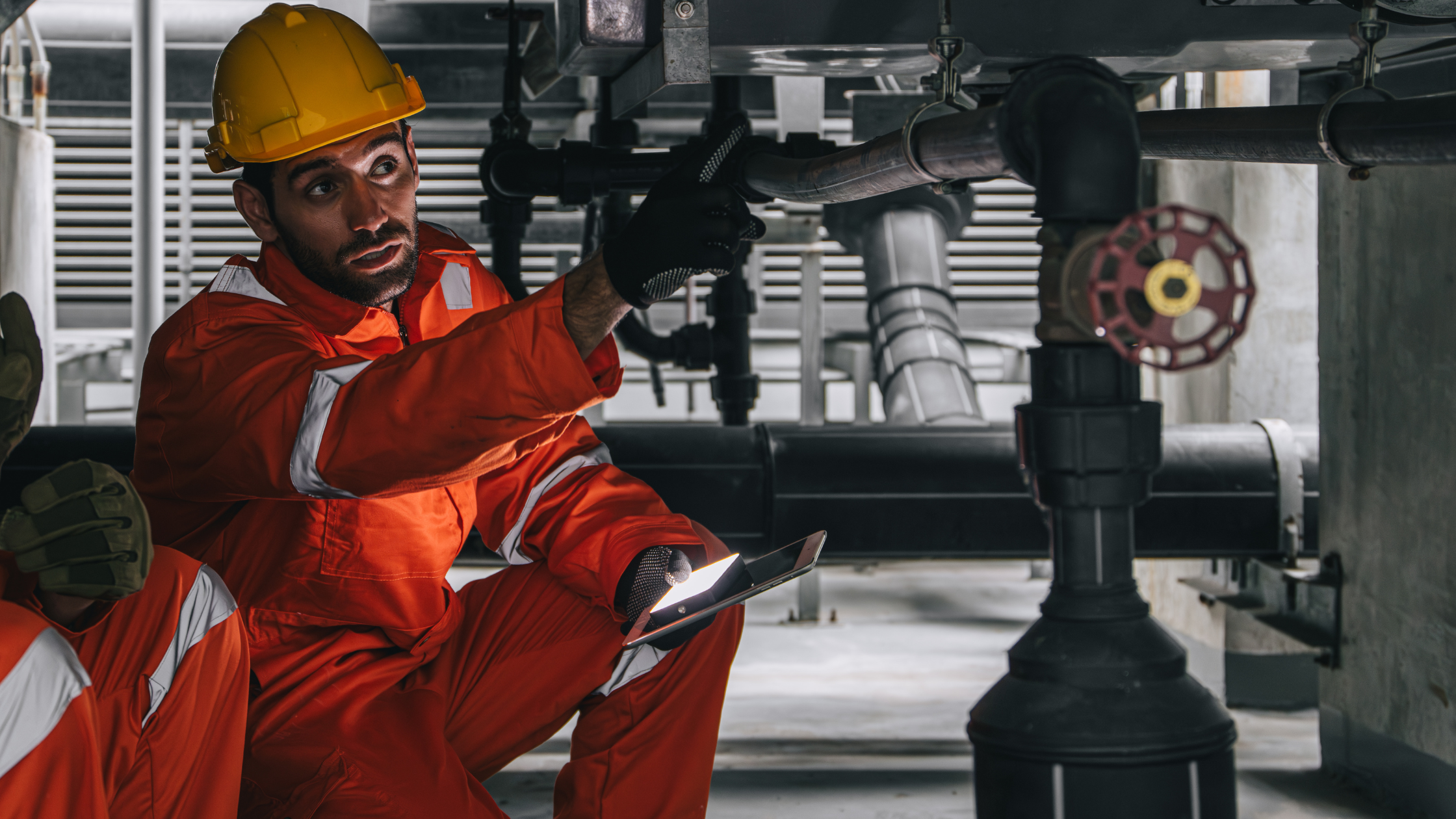
Preventive and predictive maintenance can boost first-time fix rates (FTFR) by reducing the need for reactive repairs and emergency fixes.
Preventive and predictive maintenance uses data to predict issues before they occur, preventing unexpected breakdowns.
Technicians with the right skills and parts arrive and fix the problem the first time.
Table of Contents
5 ways preventive & predictive maintenance can boost FTFR
What are the benefits of FTFR?
What are the effects of poor FTFR?
What is first-time fix rate?
First-time fix rate (FTFR), sometimes called First-Time Resolution Rate, is an important Key Performance Indicator (KPI). It is a metric to improve operational efficiency.
It is the correlation between a call out and the ability to fix the issue on the first call out.
Why is FTFR important?
Knowing your organisation's FTFR can proactively reduce downtime and increase productivity.
For an FM, it means cost savings, preventing potential failures and a reduction in downtime.
How to calculate FTFR
The sum for FTFR is simple.
For example:
If a maintenance team handled 100 service calls in a month and resolved 85 of them during the first visit, the FTFR would be:
(85÷100)×100=85%
The higher the FTFR, the better. Having a low FTFR implies there is negligence and areas that can be optimised. But, be realistic.
Don't aim for your FTFR to be 100%, because it's not going to happen. Some jobs require paint, adhesive or plaster to dry before the next task can be completed, and mistakes inevitably happen.
A good number to aim for is an FTFR of 70 or higher.
5 ways preventive & predictive maintenance can boost FTFR
Proactive maintenance helps you to prioritise tasks and create strategies. Having this foresight allows you to address problems before they become major (expensive) concerns.
1. Dig into the data
A data-driven maintenance strategy improves FTFR by anticipating issues and providing accurate insights.
Data for condition monitoring is collected using sensors, smart tech, and other new technologies. Your team can access information in real time and identify potential issues before they escalate.
Finding the root cause of the problem before arriving on-site means improving first-time fix rate, operational efficiency and customer satisfaction.
2. Improve field service management
Not having the correct equipment or parts before tackling a job can negatively impact FTFR.
How many times have you experienced delays because the necessary part is back in the warehouse?
By knowing the precise nature of the issue an appropriately skilled technician, can gather the correct spare parts and tools on the first attempt. No rescheduling for everything to fall into place.
Problems are resolved on the first visit.
3. Utilise predictive maintenance
IoT sensors, Building Management Systems (BMS), and smart meters can all be integrated with CAFM software to support predictive maintenance.
The real-time monitoring of assets means you can:
- Detect anomalies early
- Automate requests
- Digest data easily
- Utilise diagnostic tools.
Technicians arrive informed, with the right parts and tools, increasing the likelihood of a first-time fix.
4. Update repair request forms
Keeping repair request forms and service history records up to date is crucial for improving the First-Time Fix Rate (FTFR).
Accurate, detailed repair requests ensure technicians have all the information they need before attending a job:
- Fault descriptions
- Asset details
- Access information.
When combined with up-to-date service history, technicians can quickly identify recurring issues, understand previous fixes, and bring the correct parts and tools to complete the repair on the first visit.
Better-prepared technicians, fewer repeat visits, and higher FTFR across maintenance operations.
5. Reduce secondary damage
When equipment is pushed to the point of failure, it can negatively impact the rest of the machine. This domino of issues can give rise to more serious and expensive problems.
Proactive maintenance helps prevent one issue from creating another by resolving the problem before it can cause a knock-on effect.
What are the benefits of FTFR?
Achieving a high FTFR is a strong indicator of operational excellence. It means that service teams are resolving issues efficiently, customers are happier, and organisations are saving both time and money.
A high FTFR indicates:
Efficient technicians and well-prepared service visits: Technicians arrive equipped with the right tools, spare parts, and knowledge to fix problems immediately.
Better customer satisfaction: Faster, one-visit resolutions reduce inconvenience and downtime for occupants or clients.
Lower operational costs: Fewer return visits mean less travel time, reduced fuel consumption, and lower administrative costs.
Improved productivity and resource use: Technicians can complete more jobs per day, optimising labour and scheduling efficiency.
A study by Octavia Housing (2017) demonstrates the tangible impact of improving FTFR. After implementing process improvements that raised their first-time fix rate from 75% to 90%, they recorded:
- A notable increase in productivity
- Annual cost savings of approximately £76,000.
This case highlights how even modest improvements in FTFR can translate into substantial financial and operational gains.
What are the effects of poor FTFR?
A low first-time fix rate indicates inefficiencies within maintenance or service operations. It often leads to increased costs, lower customer satisfaction, and wasted technician time.
The Aberdeen Group study addresses the causes of low FTFRs.
Incomplete diagnostics: Problems persist due to inaccurate or rushed fault identification.
Poor spare parts management: Lack of proper inventory or part-tracking systems causes repeated delays.
Insufficient training and communication: Technicians may lack up-to-date knowledge or clear coordination between departments.
Higher operational costs: More repeat visits mean increased labour, travel, and administrative overhead.
Reduced customer satisfaction: Repeated service disruptions erode trust and satisfaction levels.
Lower productivity: Technicians spend more time revisiting the same issues rather than completing new work orders.
Continue monitoring & troubleshooting
Preventive and predictive maintenance improves first-time fix rates (FTFR) by minimising the need for reactive repairs and emergency callouts.
Leveraging data to identify potential issues before they occur can assist with maintenance strategies and prevent unexpected breakdowns and service disruptions.
Technicians arrive on-site fully prepared, equipped with the right skills, tools, and parts.
Problems are resolved correctly on the first visit.
FAQ
What is preventive maintenance?
Preventive maintenance helps to catch potential problems before they occur. This can be through regular inspections or through scheduled maintenance.
What is predictive maintenance?
Predictive maintenance uses additional technology, such as sensors, AI and data analytics, to monitor potential issues. These problems may be undetectable to the human eye, but allow time for intervention.
Can a CAFM help with predictive & preventive maintenance?
Yes. A CAFM can empower organisations by better preparing for issues. CAFM supports preventive maintenance. It helps to integrate data and streamline processes.