







-1.png)
Importance of Asset Management in Facility Management
Understanding Managerial Assets
Tools and Systems for Asset Management
Best Practices in Asset Management
Lifecycle Management of Assets
Future Trends in Asset Management
Strategic asset management is a cornerstone of effective facility management. It involves optimising the lifecycle of assets to maximise their value. This process ensures that assets are used efficiently and comply with regulations.
Facility managers face the challenge of managing diverse assets. These include physical, IT, and software assets. Each type requires a unique approach to management.
Asset management software plays a crucial role in this process. It streamlines asset tracking and management, reducing manual effort. This software provides real-time data, enhancing decision-making.
Compliance management is another critical aspect. It ensures that all assets meet industry standards and regulations. This helps avoid costly fines and penalties.
Information technology asset management (ITAM) focuses on IT assets. It aims to maximise their value while minimising risks. This is essential in today's technology-driven world.
Software asset management involves managing software licenses. It ensures compliance with licensing agreements, avoiding legal issues. This is vital for organisations using multiple software solutions.
Free asset management software can be a cost-effective option. It offers basic functionalities for small businesses. This makes it accessible to organisations with limited budgets.
Managed assets are actively monitored and maintained. This ensures optimal performance and longevity. It is a proactive approach to asset management.
Managerial assets include both tangible and intangible assets. They contribute to an organisation's success. Effective management of these assets is crucial.
Storebrand asset management is an example of specialised solutions. It offers tailored services to meet specific needs. This highlights the importance of customised asset management strategies.
A facility management strategy should include a comprehensive asset management plan. This aligns with organisational goals and objectives. It ensures that assets support the overall mission.
Asset tracking systems are essential for monitoring assets. They provide real-time data on location and status. This prevents loss and ensures asset availability.
expansive FM offers a comprehensive solution for strategic asset management. It provides tools and features designed for facility managers. This enhances the efficiency and effectiveness of asset management processes.
Download the Strategic Asset Management Guide
Want a step-by-step framework you can apply to your sites, asset data, lifecycle planning and governance?
Download our whitepaper and use it to build (or refresh) your strategic asset management approach.
This guide explains how strategic asset management aligns asset lifecycles with organisational goals to maximise value, minimise risk, and ensure compliance across physical, IT, and software assets. It highlights best practices (tracking, lifecycle and risk management, compliance), and tools ranging from ITAM/SAM to asset tracking systems, with both free and paid options.
Emphasis is placed on data-driven decision-making, sustainability, and the integration of technologies to improve efficiency and reduce costs. The guide also outlines future trends (AI, IoT, analytics) and how ExpansiveFM can streamline these processes for facility managers.
What is Asset Management?
Strategic asset management is a holistic approach to managing an organisation's assets. It focuses on aligning asset management goals with the broader business strategy. This alignment ensures that assets contribute to achieving organisational objectives.
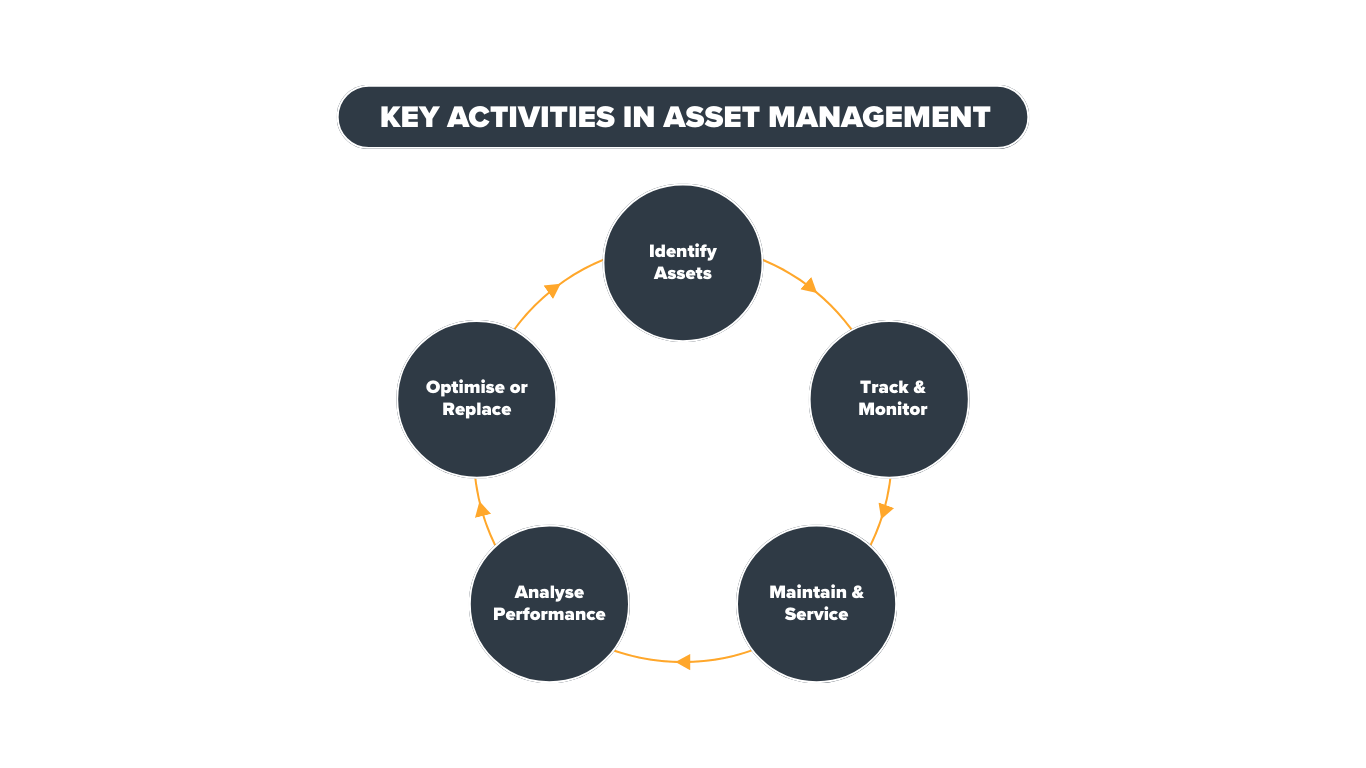
At its core, strategic asset management involves optimising the lifecycle of assets. This includes acquisition, utilisation, maintenance, and disposal. Each phase requires careful planning and management to maximise asset value.
A strategic approach requires a comprehensive understanding of an organisation's assets. This includes both tangible and intangible assets. Tangible assets like machinery and facilities need regular maintenance. Intangible assets like intellectual property require protection and monitoring.
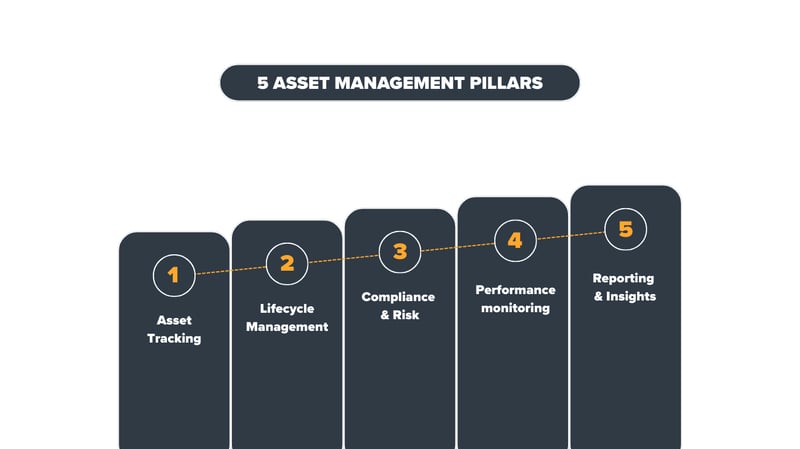
Key components of strategic asset management include:
- Asset tracking
- Lifecycle management
- Compliance and risk management
- Performance monitoring
- Reporting & Insights
Asset tracking involves monitoring asset location, condition, and utilisation. Compliance management ensures assets meet industry standards and regulations. Lifecycle management aims to extend asset life and enhance performance. Risk management identifies potential asset-related risks and mitigates them. Performance analysis provides insights into how assets are utilised and their contribution to organisational success.
Strategic asset management also emphasises the importance of data-driven decision-making. By leveraging advanced technologies, organisations can gain valuable insights into asset performance. This information supports informed decision-making and strategic planning.
The role of an asset manager is crucial in strategic asset management. They oversee the implementation of asset management strategies. They ensure assets are acquired, maintained, and disposed of effectively.
Ultimately, strategic asset management is about value optimisation. It aims to ensure that every asset contributes positively to the organisation's goals. This strategic focus not only enhances asset performance but also supports overall organisational growth.
In summary, strategic asset management is a proactive and systematic approach. It involves managing assets throughout their lifecycle, ensuring alignment with business objectives. By doing so, organisations can optimise resources, reduce costs, and maximise return on investment.
Use this guide to help create your strategic asset management plan.
Importance of Asset Management in Facility Management
Asset management is a critical component of effective facility management. It ensures that all physical and intangible assets are utilised optimally. This optimisation directly influences operational efficiency and cost-effectiveness.
In facility management, assets range from buildings to machinery and technology. Proper management of these assets guarantees their availability and reliability. Without effective asset management, facilities risk higher maintenance costs and asset failures.
One of the primary benefits of asset management in facilities is improved resource allocation. By understanding asset usage and performance, facility managers can make informed decisions. These decisions help in prioritising maintenance and allocating resources where needed most.
Asset management also enhances compliance management within facilities. Facilities must adhere to various safety and operational standards. Effective asset management ensures assets comply with these regulations, minimising legal liabilities.
There are several key aspects to consider in asset management for facilities:
- Asset tracking for real-time location and status updates
- Maintenance planning for prolonging asset life
- Budgeting and financial planning for cost-effective operations
To connect day-to-day decisions with long-term value, use this guide to take control with a total-cost (TCO) lens.
- Risk management for identifying and mitigating potential hazards
Asset management plays a crucial role in sustainability initiatives. Effective management practices reduce waste and resource consumption, supporting environmental goals. This aspect is increasingly vital as organisations strive to meet sustainability targets.
Facility managers are pivotal in implementing asset management strategies. They oversee the integration of asset management systems within the facility. This integration leads to better communication and collaboration across departments.
In conclusion, asset management is vital for facility management. It supports operational efficiency, compliance, and sustainability. By focusing on asset management, facility managers can drive organisational success and achieve strategic objectives.
Understanding Managerial Assets
Managerial assets are critical to an organisation's success. They encompass both tangible and intangible resources that contribute to operational objectives. Understanding these assets helps in optimising their utilisation for better results.
In the realm of facility management, managerial assets can significantly impact functionality and productivity. They include everything from physical equipment to intellectual property. Proper management ensures these assets align with organisational goals.
Identifying and categorising managerial assets is crucial for efficient asset management. Knowing what assets are at an organisation's disposal allows for strategic planning and prioritisation. This process enhances decision-making and ensures the optimal use of resources.
Types of Managerial Assets
There are several categories of managerial assets. Each type plays a unique role in supporting organisational goals. Here are some key categories:
- Physical assets, such as buildings and machinery
- IT assets, including hardware and network devices
- Software assets, like applications and licenses
Understanding these categories helps in deploying appropriate management strategies. Tailored approaches ensure each asset type is used effectively. Physical Assets
Physical assets form the backbone of any facility. They include structures, machinery, and equipment used in daily operations. Managing these assets effectively ensures they function at optimal levels.
Implementing regular maintenance schedules is vital for physical assets. It helps in preventing breakdowns and extending asset lifespan. Routine checks and upgrades are often necessary for continued operational efficiency.
Key considerations for managing physical assets include:
- Regular inspection and maintenance checks
- Upgrades and replacements where needed
- Efficient resource allocation for maximum utility
Prioritising physical asset management can lead to significant cost savings. It minimises disruptions and ensures smooth operational flow within facilities. IT Assets
IT assets are integral to modern facility operations. They include hardware like servers and computers, as well as networking equipment. Effective management of IT assets enhances operational efficiency and data security.
Understanding the lifecycle of IT assets is vital. From acquisition to disposal, proper management ensures value retention and risk minimisation. Tracking system updates and software patches is crucial for security.
Key actions for IT asset management involve:
- Tracking asset performance and usage
- Ensuring regular updates and patches
- Planning for asset upgrades and replacements
Through effective IT asset management, facilities can ensure robust and secure technological infrastructure. This approach supports overall organisational efficiency. Software Assets
Software assets encompass applications, licenses, and various digital tools. Managing these assets effectively ensures compliance with licensing agreements and maximises utility. It also prevents unauthorised usage and costly penalties.
Software asset management involves monitoring usage and licensing requirements. Keeping track of licenses and renewals is critical to avoid compliance issues. Efficient management aids in making informed decisions regarding software investments.
Key aspects of managing software assets include:
- Monitoring software usage and compliance
- Renewing licenses and managing subscriptions
- Evaluating software performance and requirements
By focusing on software asset management, facilities can optimise their technological capabilities. This focus aids in enhancing productivity and aligning software use with organisational objectives.
The Role of an Asset Manager
An asset manager plays a vital role in optimising and maintaining an organisation's assets. They ensure all assets are utilised effectively to achieve the organisation's goals. Their expertise aids in making strategic decisions that enhance asset value.
They are responsible for developing asset management plans and setting policies. They integrate organisational objectives with asset strategies to maximise returns. Moreover, they keep track of asset performance and suggest improvements when necessary.
In their role, they must balance financial, technical, and operational aspects. They frequently work with different departments to streamline asset-related processes. Their efforts ensure asset management aligns with the broader business strategy.
Responsibilities of an Asset Manager
The responsibilities of an asset manager are extensive and diverse. They oversee the entire lifecycle of assets, from acquisition to disposal, ensuring effective utilisation. One of their key roles is to maintain accurate asset records and documentation.
Asset managers also develop asset management strategies that align with organisational goals. These strategies include optimising asset performance and minimising risks. They conduct regular audits and assessments to monitor asset conditions and compliance with standards.
Some core responsibilities include:
- Developing and implementing asset management strategies
- Conducting audits and ensuring regulatory compliance
- Maintaining detailed records and documentation of assets
An asset manager is also tasked with coordinating maintenance and repair schedules. This ensures assets remain in optimal condition and minimises downtime. Regular inspections and timely interventions are critical components of their work.
Collaboration is another crucial aspect of an asset manager's role. They work closely with other departments to align asset management with organisational objectives. This collaboration helps in optimising resource allocation and achieving strategic goals.
Asset managers are involved in budgeting and forecasting for asset-related expenses. They analyse financial data to make informed decisions about investments and expenditures. This financial oversight ensures cost-effective asset management.
Skills Required for Effective Asset Management
An effective asset manager must possess a diverse set of skills. These skills enable them to handle the varied aspects of asset management efficiently. Technical expertise, strategic thinking, and excellent communication are essential.
Technical skills are fundamental, given the complexity of managing different asset types. Familiarity with asset management software and tools is crucial. This technical knowledge helps in leveraging technology to enhance efficiency.
Key skills include:
- Strong technical expertise and familiarity with asset management tools
- Excellent communication and collaboration abilities
- Strategic thinking and problem-solving skills
Asset managers must also excel in strategic planning. They need to assess the long-term implications of asset decisions. This skill helps ensure that asset management strategies align with broader organisational objectives.
Communication and collaboration skills are crucial for working with multiple departments. Asset managers often need to convey complex information clearly and concisely. This ability facilitates effective teamwork and coordination.
Problem-solving skills are equally important. Asset managers face challenges requiring innovative solutions and quick decisions. Their ability to analyse situations and devise efficient strategies is invaluable.
Additionally, a strong grasp of financial principles aids in budgeting and forecasting. Understanding cost management and financial analysis assists in making informed asset-related financial decisions. These skills contribute to the overall effectiveness of asset management practices.
Tools and Systems for Asset Management
Asset management tools and systems are crucial for effective asset oversight. They assist facility managers in organising and optimising asset utilisation. These systems provide real-time insights into asset performance and condition.
Asset management systems help integrate various processes under a central platform. They facilitate seamless data exchange and enhance decision-making. With these tools, organisations can achieve operational efficiency and strategic goals.
Key benefits of using asset management systems include:
- Centralised data management and streamlined operations
- Improved tracking of asset performance and lifecycle
- Enhanced compliance and risk management
Overview of Asset Management Systems
Asset management systems play a pivotal role in managing organisational assets. They provide a comprehensive platform that integrates diverse asset-related processes. These systems are designed to streamline asset tracking, maintenance, and compliance.
A robust asset management system ensures the alignment of asset strategies with business objectives. By centralising data, they enhance collaboration and decision-making capabilities. Organisations can leverage these systems to monitor asset health and performance.
The main features of asset management systems are:
- Real-time asset tracking and monitoring
- Automated maintenance scheduling and reporting
- Risk and compliance management modules
These systems also offer customizable solutions to cater to unique organisational needs. They allow for scalability, accommodating growth and evolving asset portfolios. Their adaptability ensures they remain valuable tools for future asset management endeavours.
Integrating asset management systems with other business applications is a notable advantage. It facilitates smooth data flow and enhances operational synergies. This integration helps optimise resource utilisation and asset lifecycle management.
A strategic implementation of asset management systems leads to cost savings and improved efficiency. By utilising these systems, organisations can enhance their asset management capabilities, ensuring optimal asset performance.
Asset Tracking Systems
Asset tracking systems are indispensable in maintaining asset visibility. They provide real-time information on asset location and status. This capability helps prevent asset loss and ensures readiness for use.
The effectiveness of these systems lies in their tracking accuracy and reliability. They use technologies like RFID, GPS, and barcoding. These tools maintain precise asset records and streamline inventory processes.
Key features of asset tracking systems include:
- Real-time location tracking and status updates
- Advanced RFID and GPS integration
- Comprehensive inventory management capabilities
By using asset tracking systems, organisations can monitor asset movements and manage inventories effectively. They reduce the risks of theft and unauthorised usage. These systems also improve asset allocation and utilisation strategies.
Choosing the right identification method is key. Compare options in our article to understand the Pros and cons of QR codes, NFC, RFID and GPS tags.
IT Asset Management Software
IT Asset Management (ITAM) software is crucial for overseeing technological assets. It focuses on managing IT assets to maximise value and minimise risks. With ITAM, organisations can maintain control over hardware and software lifecycles.
These tools help in tracking IT assets from procurement to disposal. They ensure compliance with licensing agreements and mitigate security risks. ITAM software provides a comprehensive view of asset inventory and performance.
Notable aspects of ITAM software include:
- Comprehensive IT asset tracking and reporting
- License management and compliance enforcement
- Security risk assessments and mitigation strategies
ITAM software is vital for ensuring efficient IT operations. By optimising asset usage, these tools reduce unnecessary expenditures. They also play a critical role in supporting digital transformation initiatives.
Many teams start in spreadsheets, but they quickly become hard to manage and audit especialy at scale. It's time to upgrade your system and move away from spreadsheets. 8 Reasons it's time to move on from spreadsheets.
If those 8 reasons still don't convince you, here are 11 Ways to Achieve Greater Asset Longevity with CAFM Software.
Software Asset Management Tools
Software Asset Management (SAM) tools are vital for managing the software lifecycle. They help organisations maintain compliance with software licenses. SAM tools optimise software usage and support cost-effective decision-making.
These tools provide insights into software deployment and utilisation. Organisations can use SAM to identify redundancies and optimise software investment. This proactive management reduces the risk of non-compliance and subsequent penalties.
Important functions of SAM tools include:
- License compliance monitoring and management
- Usage analytics and optimisation recommendations
- Cost-control and budgeting functionalities
SAM tools also provide detailed reports on software audits. They facilitate seamless software tracking and ensure adherence to licensing agreements. By using SAM tools, organisations can maintain efficient software management.
The integration of SAM tools with other business systems is essential. It enhances data accuracy and supports strategic planning. SAM tools help organisations avoid costly compliance issues and optimise software resources. Free and Paid Asset Management Software Options
Organisations can choose between free and paid asset management software options. Each offers distinct features and benefits. Selection depends on organisational needs and budget constraints.
Free asset management software provides basic functionalities. It's ideal for small businesses with straightforward asset management requirements. These versions often lack advanced features but still offer significant value.
Advantages of free software options include:
- Cost-effectiveness for small to medium enterprises
- Basic asset tracking and management capabilities
- Ease of use and implementation for limited resources
Paid software options, on the other hand, offer comprehensive solutions. They come with advanced features such as detailed reporting and analytics. Paid options provide scalability and customisation to meet unique business needs.
Choosing between free and paid options involves evaluating organisational priorities. While free software meets basic requirements, paid options ensure robust asset management. Tailoring choices to specific needs optimises software investments.
Best Practices in Asset Management
Implementing best practices in asset management is crucial for maximising asset efficiency and lifespan. These practices not only enhance operational performance but also ensure compliance with regulations. They provide a structured approach to managing assets throughout their lifecycle.
Key best practices include:
- Establishing clear asset management objectives
- Regularly auditing and updating asset records
- Investing in staff training and development
- Utilising technology for efficient asset tracking
If you want a practical setup checklist, use these 8 tips to build a flawless fixed asset management system.
Emphasising continuous improvement and alignment with organisational goals is essential. By fostering a culture of excellence, facility managers can ensure proactive asset management. This approach leads to cost savings and improved service delivery.
Compliance Management Strategies
Compliance management is a cornerstone of effective asset management. It involves ensuring that all assets meet relevant industry and regulatory standards. Proper compliance management helps avoid legal and financial repercussions.
A proactive compliance strategy involves:
- Regular regulatory audits and assessments
- Maintaining up-to-date documentation and records
- Collaborating with legal and compliance experts
Strong controls also prevent data and financial leakage, here’s 5 reasons your asset records don’t match reality.
Implementing these strategies requires a thorough understanding of applicable regulations. Organisations should prioritise regular training for staff to stay informed on compliance requirements. This ensures a culture of compliance and accountability.
Technology can significantly aid compliance management efforts. Tools that automate compliance checks and flag potential issues are invaluable. They help streamline processes and reduce the burden of manual oversight.
Incorporating compliance management tools into existing systems enhances data accuracy. These tools can automatically generate reports and alerts, ensuring timely action on compliance issues. This proactive approach minimises risks and enhances organisational reputation.
A strategic compliance plan should align with overall asset management goals. This holistic approach ensures that compliance integrates seamlessly into business operations. Organisations can then achieve both compliance and operational excellence.
Lifecycle Management of Assets
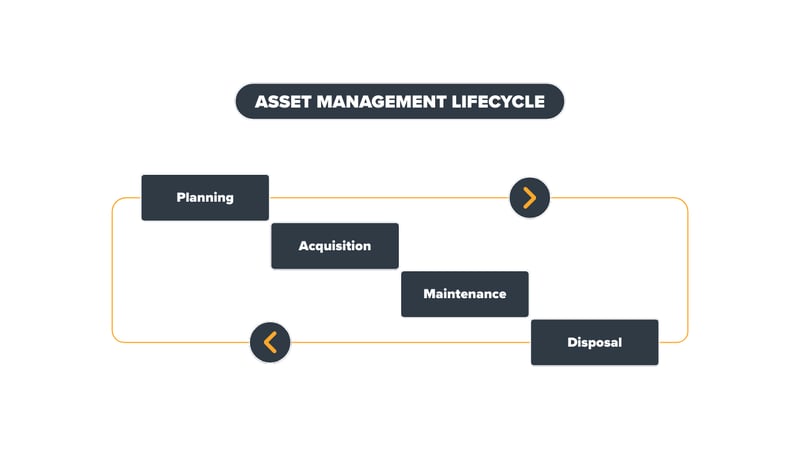
CAFM supports every stage of the asset lifecycle, from onboarding and day-to-day maintenance to compliance, optimisation, and eventual replacement. It gives FM teams one clear system to track performance, reduce downtime, and make smarter long-term decisions as assets age. Read our 7 ways a CAFM solution can improve asset lifecycle management.
Lifecycle management involves overseeing assets from acquisition to disposal. It focuses on maximising the utility and lifespan of assets. Effective lifecycle management reduces costs and enhances asset performance.
The 4 key stages of asset lifecycle management include:
- Planning
- Acquisition
- Utilisation and maintenance
- Decommissioning and disposal
Asset lifecycle management begins with careful planning and acquisition. Organisations should invest in high-quality assets that align with strategic goals. This stage sets the foundation for effective lifecycle management.
Once acquired, assets require regular maintenance to ensure optimal performance. Scheduled maintenance tasks should be part of the lifecycle strategy. This proactive approach prevents unexpected breakdowns and extends asset lifespan.
Decommissioning assets involves strategic planning for replacement and disposal. Organisations should follow environmentally responsible disposal practices. This minimises environmental impact and aligns with sustainability goals.
Regular reviews and adjustments to lifecycle strategies are essential. They ensure alignment with organisational priorities and industry advancements. A dynamic lifecycle management approach keeps operations efficient and assets reliable.
Technology plays a crucial role in lifecycle management. Tools that provide real-time data on asset performance support timely decision-making. These tools help organisations plan effectively for future asset needs.
First-Time Fix Rates and Asset Management
One of the most practical ways to measure the effectiveness of asset management is the first-time fix rate.
First-time fix (FTF) refers to the ability to resolve a maintenance issue during the initial visit, without requiring additional follow-up work. In facility management, improving this metric has a direct impact on operational efficiency, cost control, and user satisfaction.
When asset data is incomplete or outdated, engineers often arrive on site without the information they need. Missing service history, unclear asset specifications, or unknown parts requirements can quickly lead to repeat visits and longer downtime. Read our blog on Why your first time fixes are not improving.
Effective asset management helps eliminate these issues by ensuring engineers have access to accurate and reliable asset information.
Key factors that improve first-time fix rates include:
- Complete asset records, including make, model, and service history
- Accessible maintenance documentation for technicians in the field
- Preventive maintenance planning that reduces unexpected failures
- Clear work order information linked directly to asset records
- Parts and inventory visibility to ensure engineers arrive prepared
When asset management systems integrate with CAFM platforms, engineers can access asset data, maintenance logs, manuals, and previous work orders directly from a mobile device. This level of visibility allows them to diagnose problems faster and complete repairs more efficiently.
Improving first-time fix rates delivers several benefits for facilities teams:
- Reduced maintenance costs
- Less downtime for critical assets
- Fewer repeat engineer visits
- Improved service delivery across sites
Ultimately, strong asset management provides the information foundation needed for faster, more effective maintenance decisions. By combining accurate asset data with modern asset management tools, organisations can significantly improve their first-time fix performance.
Program Asset Management Overview
Program asset management focuses on managing assets within specific programs or projects. It involves aligning asset management efforts with program objectives. This ensures that resources are optimally utilised to achieve project goals.
Effective program asset management includes:
- Aligning asset management with program milestones
- Resource allocation and optimisation
- Regular performance tracking and reporting
Integrating asset management into program planning is crucial. This ensures that asset management strategies support program timelines and deliverables. Collaboration between program and asset managers enhances this integration.
Successful resource allocation is central to program asset management. Ensuring that each program has access to the necessary resources requires strategic planning. This avoids resource constraints and supports timely project completion.
Continuous tracking and reporting help manage program assets effectively. Regular updates on asset performance facilitate informed decision-making. This data-driven approach supports corrective actions to maintain program momentum.
Communication and collaboration across teams enhance program asset management. Clear communication channels ensure that asset-related concerns are promptly addressed. This creates an environment conducive to achieving program objectives.
Technology aids in managing assets across different programs. Integrating asset management systems with program management tools offers a holistic view. These integrations enhance visibility and control over program assets.
The bottom line
Strategic asset management is a vital component of facility management. By implementing best practices and using advanced tools, organisations can optimise asset utilisation. This leads to significant cost savings and enhanced operational efficiency.
Facility managers play a pivotal role in this process. By staying informed about regulatory changes and technology advancements, they can navigate challenges effectively. Embracing a proactive approach to asset management ensures long-term success.
To continue excelling, organisations should focus on these key takeaways:
- Prioritise continuous learning and adaptation
- Integrate technology to streamline processes
- Foster collaboration across departments
Committing to these principles will empower organisations to achieve their strategic objectives. The path forward involves innovation and a commitment to excellence.
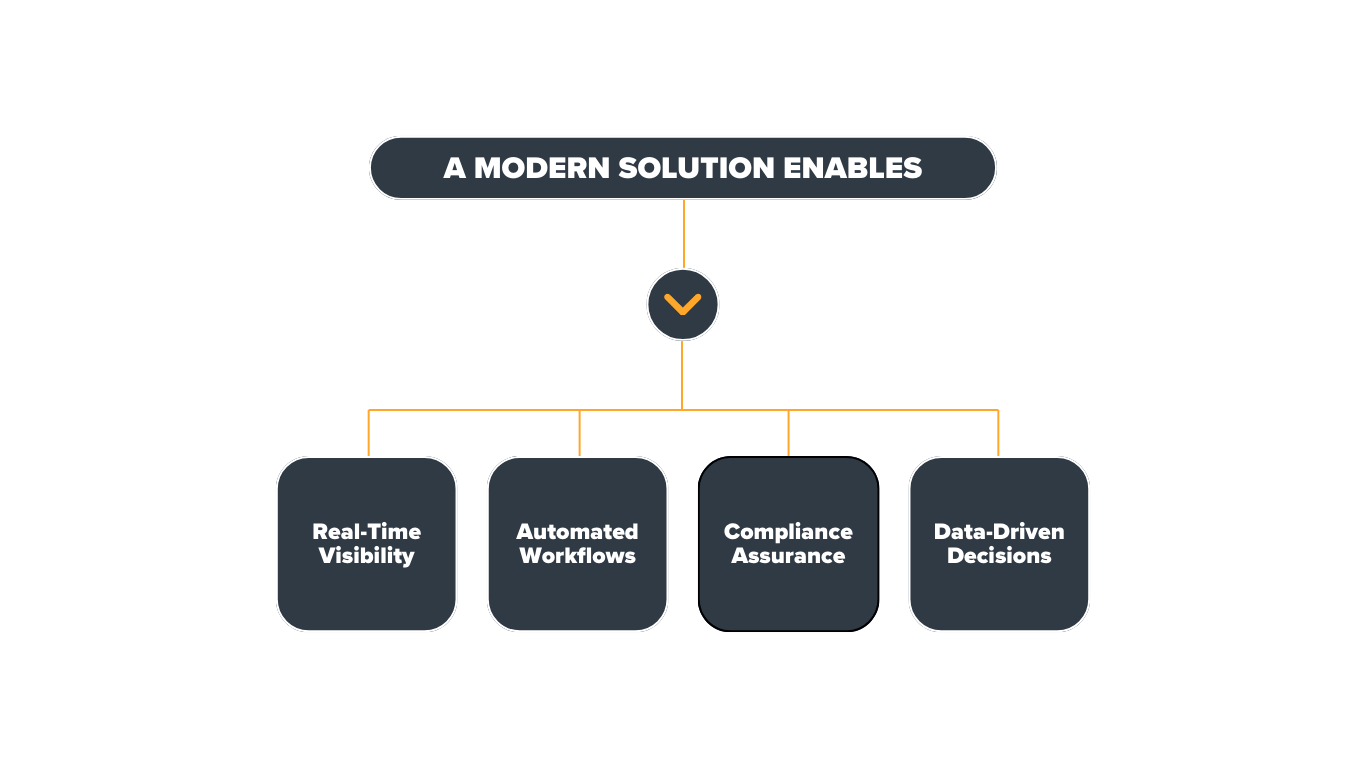
Future Trends in Asset Management
Asset management is poised for significant evolution in the coming years. Emerging technologies will drive profound changes in how assets are managed. Organisations must stay ahead of these trends to remain competitive.
Key trends to watch include:
- Increasing adoption of artificial intelligence (AI)
- Expansion of Internet of Things (IoT) applications
- Growth of data analytics for decision-making
AI and machine learning will enhance predictive maintenance capabilities. These technologies can analyse large datasets to forecast asset needs accurately. This will allow organisations to preemptively address potential issues.
The IoT will expand asset management capabilities further. By integrating IoT devices, organisations can monitor assets in real-time. This interconnected system provides unprecedented insight into asset health.
Data analytics will continue to gain importance in asset management. Businesses will rely on data-driven insights to optimise asset utilisation. Strategic decision-making will increasingly be guided by comprehensive data analysis.
Staying informed about these trends will be crucial for organisations. Embracing innovation will open new opportunities and ensure sustained success.